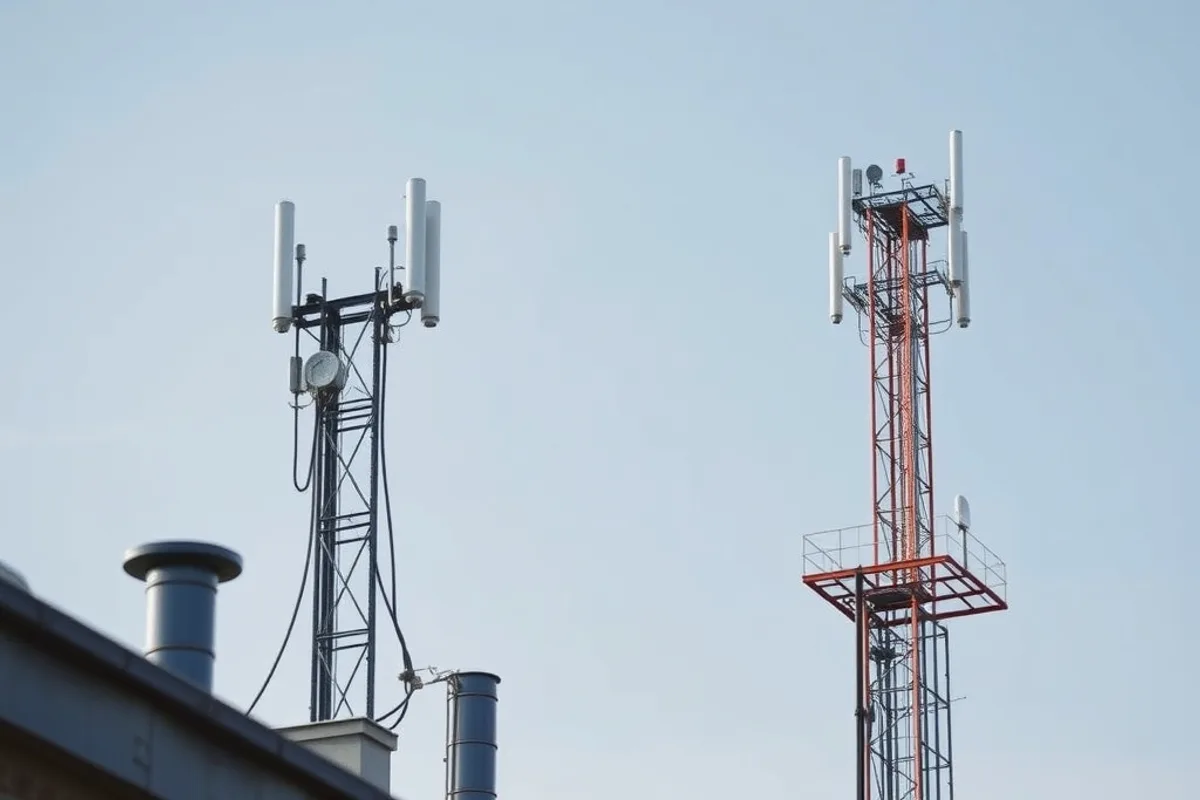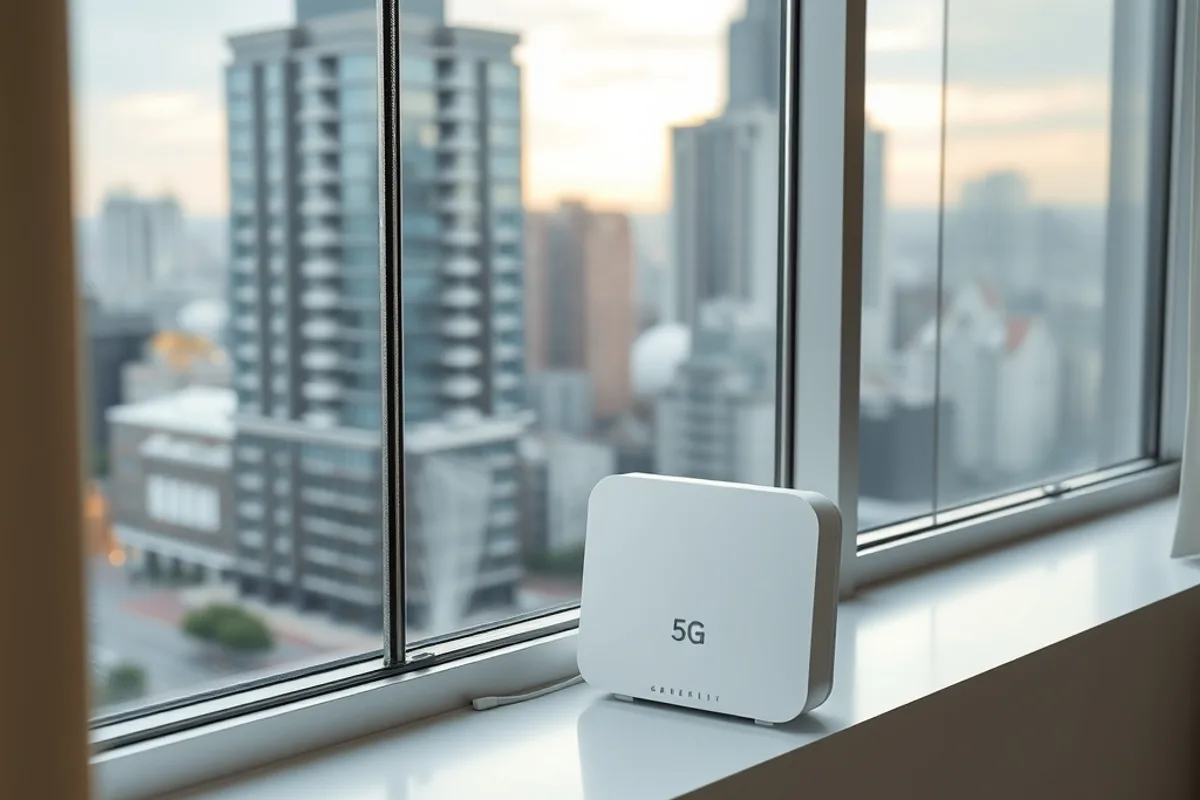
The advert compares a 5G home plan with a fibre plan at the introductory price. The useful comparison runs for two years, includes the router and the fees, and accounts for the evenings when the neighbourhood is watching the same match.
We collected bills and ran speed tests on both technologies in the same household over six months, then modelled two years of cost using current published prices. The result depends less on the headline speed than on how the connection is shared.
The two-year cost, line by line
Fibre plans usually cost more per month at the entry tier but include the equipment and have stable pricing. 5G home plans often start lower, sometimes with a router included and sometimes with a monthly equipment fee. Installation can be free on both, or expensive on fibre if the drop needs work.
Over twenty-four months, the gap narrows. 5G promotional pricing tends to rise after twelve months. Fibre may include a price lock or a small annual increase. Add a mesh system if the 5G gateway's Wi-Fi is weak, and the cheap option can lose its advantage.
The hidden variable is the second connection. Households that keep a backup line for outages pay for both. Fibre is generally more reliable, so the backup is less necessary; 5G varies more by location, so some households keep one.
Speed is not the whole story
Modern 5G home plans can deliver several hundred megabits per second, which is plenty for most households. The number that matters is not the peak but the consistency. A 300 Mbps connection that holds 300 Mbps at 8 p.m. is better than a 900 Mbps connection that falls to 40 Mbps when the cell is busy.
Latency is the other difference. Fibre typically sits in the single digits to low teens in milliseconds. 5G home often sits higher and varies more. For browsing and streaming, that is fine. For competitive gaming and video calls, the stability matters more than the average.
Upload is the third. Fibre plans often offer symmetric or near-symmetric upload. 5G home is usually much slower on the uplink, which matters for backups, remote work and content creation. Check the upload number before you compare download headlines.
Location decides more than the plan
5G home internet quality depends on the cell tower, the distance, the building materials and the number of subscribers on the same sector. A plan that works brilliantly at one address can be mediocre two streets away. The provider's coverage map is a starting point, not a guarantee.
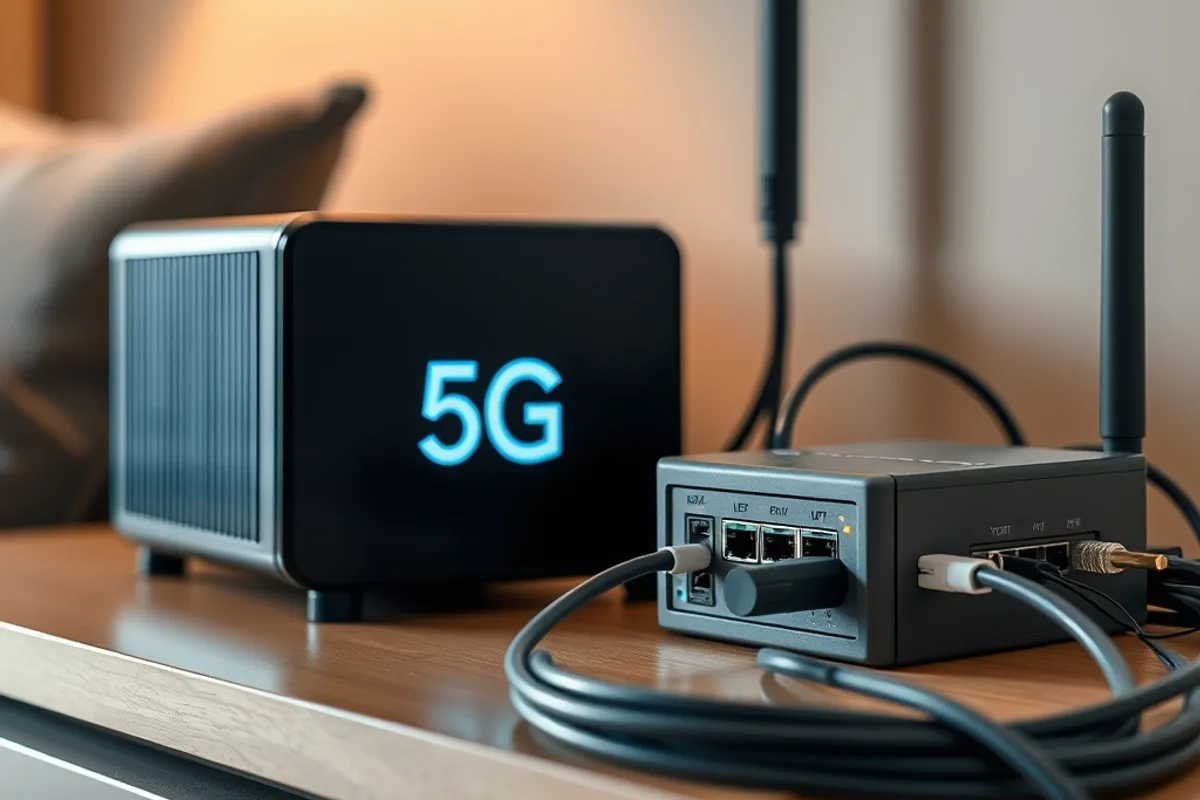
Ask for a trial period and test at peak hours. Put the gateway near a window, then move it and test again. If the signal is marginal, the gateway will work harder, run hotter and deliver less. A external antenna can help, but it adds cost and installation.
Compare the connection you will have at eight in the evening, not the one the sales page measured at noon.
Key facts
- Promotional 5G pricing often rises after the first year.
- Fibre usually has lower, more stable latency and faster upload.
- 5G consistency depends on tower load and gateway placement.
- Equipment fees and a mesh upgrade can erase the 5G saving.
- Test at peak hours during the trial period.
Who should choose which
Choose fibre if it is available, affordable and you work from home, game competitively, upload large files or run a smart home. Choose 5G home internet if fibre is unavailable, if you are renting short-term, if the saving is substantial after the equipment and you have tested the evening performance, or if you need a quick install.
Choose neither if both are poor. A fixed wireless provider or a bonded connection may be better than a bad line, and the cost comparison should include the cost of the outages you will tolerate.
A checklist before you sign
Ask for the total monthly price including equipment and taxes, the price after the promotional period, the contract length and the early termination fee. Ask what happens if the service does not perform at your address. Get the return window in writing.
Then test the connection with the devices you actually use, at the times you actually use them. A speed test on a laptop beside the gateway is not the same as a video call in the back room. For the in-home side, read Wi-Fi 7 in a real house; for the services that stress the link, see cloud gaming.
Bottom line
Fibre wins on consistency, latency and upload; 5G wins on availability and sometimes on the first-year price. Run the two-year math, test at peak hours and buy the connection that matches your household rather than the advert.